




How to Clean Adidas Campus
Learn how to clean Adidas Campus shoes without flattening the suede or soaking the upper. This guide covers dry brushing, stain treatment, sole cleaning, laces, drying, and the mistakes that can damage Campus 00s.




To clean a Longchamp bag safely, empty it, remove loose debris, and check the care label. Then wipe the canvas or nylon evenly with a clean damp cloth, cool water, and a tiny amount of mild pH-neutral white soap. Keep the leather dry, remove soap right away, and air-dry the bag upside down at room temperature.
That simple answer matters because most Le Pliage-style bags combine fabric, leather, lining, hardware, and coatings. Treating every part the same can turn a small mark into a water ring, dull finish, or darkened handle. Here is how to clean a Longchamp bag one material at a time, including what to do with stains and when to stop.
Longchamp's official care instructions call for a clean sponge or damp cloth, cool water, and a small amount of mild pH-neutral white soap on canvas. The fabric should never be soaked. Dampen the whole fabric surface evenly, keep leather parts dry, remove the solution immediately, and let the bag dry upside down with its handles facing downward.
Always let the sewn-in care label and the instructions for your exact model take priority. This method explains how to clean a Longchamp nylon bag with leather trim, including a standard Le Pliage-style model. An all-leather, suede, nubuck, patent, embroidered, recycled-fabric, or special-edition bag may need a different process.
When in doubt, use less product and less water. A second gentle pass is easier to manage than a saturated bag.
Before adding moisture, look at the bag as a group of separate cleaning zones. Identify the canvas or nylon body, leather handles and flap, lining, zipper, hardware, printed details, coated areas, and any decorative panels. Each zone may react differently to water and cleaning products.
Read the sewn-in label and check Longchamp's support information for the exact model. Natural leather should not be wetted. Suede, nubuck, and patent leather require their own care. A method that suits one Le Pliage bag may not suit another color, finish, or limited edition.
Good Longchamp bag care starts with patch-testing any approved cleaner on a hidden spot. Wait until the area is dry, then check it in good light. Stop if your cloth picks up dye, the finish becomes dull or tacky, the texture changes, or a hard water edge begins to appear. Cracked trim, peeling coating, mold, dye bleed, loose stitching, or existing holes are good reasons to call a professional before continuing.
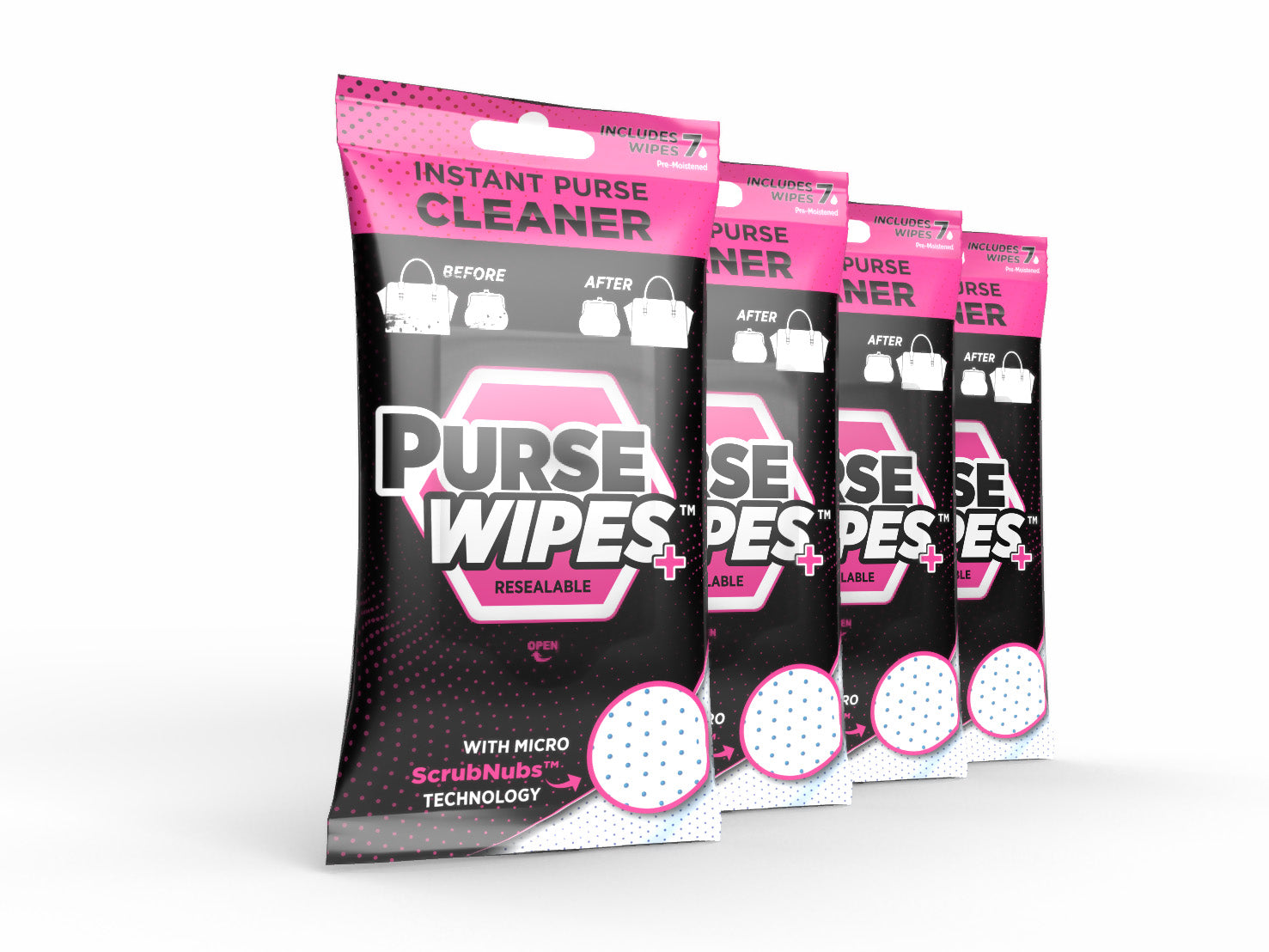
ERASERS' PurseWIPES can be used on compatible finished leather, faux leather, vinyl, or coated canvas, but only after the bag's care label and a hidden-area test confirm a safe match. They are not a blanket cleaner for Le Pliage nylon, suede, unfinished leather, or special-edition finishes.
Test one discreet spot and let it dry before checking for color transfer, dullness, or a texture change. Skip the wipe if the exact model's instructions call for a different product or if one cleaning pass would cross several materials. This caution matters when you are learning how to clean a Longchamp tote bag.
You do not need a crowded cleaning kit. Gather a few gentle, color-safe tools so you can control moisture and see any color transfer quickly:
Cool water
A small amount of mild pH-neutral white soap
Two or three clean white microfiber cloths
A clean, soft sponge
A dry white towel
Plain, colorless tissue paper for light shape support
Keep any leather cream or conditioner separate from the fabric-cleaning supplies. Use only the care product approved for the bag's exact leather, and never put leather cream on canvas or nylon.
Anyone learning how to clean a Longchamp canvas bag should skip bleach, alcohol, nail-polish remover, household stain sprays, strong detergent, abrasive eraser sponges, stiff brushes, and colored towels. More cleaning power is not better when the bag contains several materials.
A safe clean follows a controlled order: remove dry debris, test your method, clean the fabric evenly, care for leather separately, remove all residue, and dry the bag fully. Work from the cleaner areas toward the dirtier ones so you do not spread grime.
Empty every pocket and unzip each compartment. Take out inserts or removable straps only if the design allows it. Look closely for pens, makeup, crumbs, damp tissues, and anything else that could create a fresh stain once water is nearby.
Shake out loose debris. For corners and seams, use a clean soft brush or a vacuum on its lowest setting with a clean brush attachment. Keep the suction gentle so you do not pull at the lining.
Inspect the empty bag before cleaning. If you find structural damage, peeling, mold, or active dye transfer, pause. Surface cleaning cannot repair those problems and may make them harder to fix.
Mix a small amount of mild pH-neutral white soap with cool water. Dampen a clean white cloth or soft sponge, then wring it out well. It should feel controlled and damp, never wet enough to drip.
Blot and gently wipe the entire fabric surface evenly. This is a controlled way to clean a nylon Longchamp bag while reducing halo marks that can form when only the edge of a stain is repeatedly treated. Keep leather, hardware seams, printed details, and decorative areas as dry as possible. Cleaning canvas shoes uses similar gentle, low-moisture habits, but the bag's own care label comes first.
Work in small sections and check the surface after each pass. If a mark does not lift, do not add pressure or reach for a stronger household chemical. One careful pass followed by professional advice is safer than repeated attempts that wear the coating or move dye.
Follow the specific Longchamp instructions for your bag's leather. If the model allows a colorless care product, put a small amount on a soft cloth rather than directly on the bag. Keep it away from canvas or nylon because creams and oils can leave dark patches.
Natural leather should be allowed to develop its patina before treatment and should not be wetted. Patent leather, suede, nubuck, cracked leather, and peeling finishes all need different care. If you are unsure what you have, stop and ask Longchamp or a leather-care professional.
For broader finished-leather upkeep, cleaning leather purse hardware and trim safely requires gentle, material-specific care. Use that guidance as general context, but let Longchamp's model-specific directions win.
Immediately wipe the fabric with a second clean cloth dampened only with cool water. Continue gently until no soap remains. The bag should feel only slightly damp and should never leak or drip.
Blot extra moisture with a dry white towel. Add a small amount of plain tissue paper if the bag needs help holding its shape, but do not pack it tightly. Position the bag upside down with its handles facing downward.
If you are unsure how to dry a Longchamp bag after cleaning, let it air-dry at room temperature. Keep it away from direct sun, radiators, hair dryers, tumble dryers, and other heat. Do not use or fold the bag until the fabric, lining, seams, and leather all feel completely dry.
ERASERS' PurseWIPES suit a quick touch-up when fresh surface grime sits on a compatible high-touch area and the bag's label permits this type of care.
Use the textured side to lift surface buildup, then finish with the smooth side, following the product instructions. For dirt spread across the nylon or canvas body, dried water rings, dye transfer, or coating damage, use the material-specific method above or seek professional care. A portable wipe should shorten the cleanup, not widen the treatment area.
If you are deciding how to clean stains off a Longchamp bag, lift solids first and blot liquid with a clean white cloth. Do not chase the mark by wiping outward. Open pockets and compartments so trapped moisture can escape.
A dried water ring on the fabric needs a different approach. Instead of repeatedly wetting the ring's edge, dampen the entire fabric surface evenly with minimal cool water and the label-approved amount of soap. Remove the solution right away and dry the whole surface evenly. This is the same halo-prevention principle used in Longchamp's canvas-care process.
Denim transfer, oil, makeup, ink, and unknown stains deserve restraint. Blot first and avoid solvents, bleach, stain pens, and improvised mixtures. Stop if color appears on your cloth, the coating bubbles, the leather darkens unevenly, or the mark spreads.
For an interior spill, remove debris and blot liquid before using the gentlest method allowed by the label. Keep the pocket or lining open until it is fully dry. Longchamp bag stain removal should stay conservative: persistent ink, oil, odor, mold, and dye transfer are better handled by a professional, especially on pale or multicolored bags. A compartment-by-compartment check also helps when cleaning a golf bag, but its label and materials determine the right method.
For routine dirt, a controlled damp-cloth method is how to clean a Longchamp bag without washing it in a machine. Only machine-wash a standard mixed-material Longchamp bag if the exact care label explicitly allows it. Machine agitation and saturation can distort the shape, stress seams, move dye, and wet leather trim.
Do not submerge, wring, tumble-dry, or hang a wet bag by its handles. Avoid direct heat, prolonged sunlight, excess soap, stiff tools, and repeated rubbing. These shortcuts can leave residue, fading, stiffness, stretched handles, or a wavy surface.
And do not assume every Longchamp surface is coated canvas. PurseWIPES can be a convenient touch-up option for compatible finished leather or coated canvas after a hidden-area test. They are not a blanket recommendation for Le Pliage nylon, suede, unfinished leather, or special finishes, and they never replace the manufacturer's instructions.
These answers cover routine cleaning, machine washing, water stains, and accidental moisture.
Routine surface dirt is usually manageable when you identify the material and use a low-moisture method. The tricky part is not the fabric alone. It is protecting the leather trim, coatings, lining, and hardware while the fabric is cleaned.
Fresh, light marks are easier to address than old dye transfer, ink, oil, mold, or coating damage. Blot spills quickly and use gentle maintenance instead of waiting for a major deep clean.
No. Avoid the washer for a standard mixed-material bag if the care label does not explicitly permit machine washing. A washer can saturate leather, stress seams and hardware, disturb coatings, and change the bag's shape or color.
Use the controlled damp-cloth method for routine soil. If the bag is heavily soiled, ask Longchamp or a bag-care professional to assess it rather than trying a machine-wash workaround.
Blot a fresh damp patch immediately with a clean white cloth and let it dry away from heat. For a dried halo on the fabric, evenly dampen the full fabric surface with minimal cool water and a label-approved amount of soap, then remove the residue and dry the surface evenly.
Stop after one careful pass if the ring remains. Seek professional help if leather darkens unevenly, dye moves, the coating bubbles, or the water mark crosses several materials.
Brief incidental moisture can usually be managed, but the bag should not be soaked. Blot rain or spills promptly, protect the leather parts, open the bag for airflow, and let it dry at room temperature away from sun and heat.
Professional assessment is the safer next step after soaking, persistent odor, dye transfer, bubbling, or stiffened leather.
To store a Longchamp bag between uses, keep a Le Pliage-style model flat and unfolded in a cool, dry place away from strong light, high humidity, and materials that may transfer color. If it needs support, use a little plain tissue paper. Avoid overloading it, which can strain handles and change the shape.
Empty crumbs, receipts, and uncapped pens regularly. Blot spills as soon as they happen, and give high-touch areas a gentle, approved wipe before buildup becomes a stubborn stain. Small habits make a full clean less frequent and much easier.
Knowing how to clean a Longchamp bag makes maintenance easier. The same material-first logic applies when learning how to clean a Longchamp Le Pliage bag. Check the care label, confirm material compatibility, and patch-test first. PurseWIPES are pre-moistened and pair a textured cleaning side with a smooth finishing side, giving you a compact option for compatible high-touch areas without setting up soap and water. Explore ERASERS cleaning products to see whether they fit your bag's care instructions, and keep the manufacturer's guidance in charge.